
Keeping a commercial property clean is essential for maintaining a professional appearance, protecting employees, and creating a welcoming environment for customers. However, arranging cleaning during normal business hours can sometimes interrupt daily operations. Offices, retail stores, restaurants, healthcare facilities, and other workplaces often need regular cleaning without disturbing their employees or customers. This is why after-hours cleaning has become an important option for many businesses.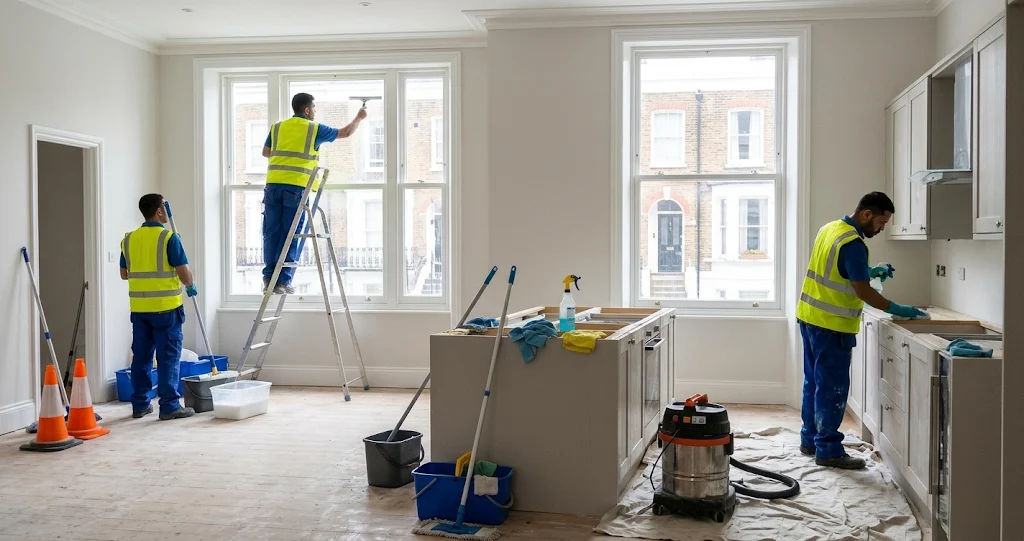
Many business owners wonder whether commercial cleaners in Birmingham can work outside standard working hours and whether evening, overnight, or weekend cleaning services are available. The good news is that professional cleaning companies commonly offer flexible schedules designed around different business requirements. These arrangements allow businesses to maintain hygienic premises while keeping their usual activities running smoothly.
Understanding how after-hours cleaning works can help business owners choose suitable services, organise access, and establish an effective cleaning routine. From security arrangements to cleaning schedules and service costs, several factors should be considered before hiring a cleaning company. This comprehensive guide explains what businesses should know about arranging professional cleaning outside normal working hours.
What Does After-Hours Commercial Cleaning Mean?
After-hours commercial cleaning refers to professional cleaning services performed when a business is closed or operating with fewer employees and customers. Depending on the company's requirements, cleaners may work during evenings, overnight periods, early mornings, or weekends.
The main purpose is to maintain cleanliness without interrupting normal business activities.
For example, an office might operate from 9 a.m. until 5 p.m. Instead of cleaning during working hours, the cleaning team could arrive at 6 p.m. and complete the required tasks before employees return the following morning.
This approach is particularly useful for workplaces where noise, equipment movement, or cleaning products could disturb employees.
Common After-Hours Cleaning Times
Professional cleaning companies may offer several scheduling options.
-
Evening cleaning: Cleaning begins after employees and customers leave.
-
Overnight cleaning: Teams work throughout the night when buildings are generally empty.
-
Early morning cleaning: Cleaning takes place before the working day begins.
-
Weekend cleaning: Services are arranged when businesses are closed on Saturdays or Sundays.
-
Public holiday cleaning: Some companies arrange special cleaning appointments during holiday closures.
Availability depends on the cleaning provider, building access arrangements, staffing, and the size of the premises.
Why Do Businesses Prefer After-Hours Cleaning?
commercial cleaners in Birmingham choose after-hours cleaning because it provides flexibility and helps maintain a professional working environment.
Cleaning during busy periods can create unnecessary interruptions. Employees may need to move around equipment, avoid wet floors, or wait for cleaners to finish certain areas.
Scheduling cleaning outside business hours reduces these problems.
Minimises Workplace Disruptions
One of the biggest advantages is the ability to keep everyday operations running smoothly.
In an active office, employees may need access to meeting rooms, desks, kitchens, and shared facilities throughout the day. Cleaning these spaces during working hours can interrupt meetings and reduce productivity.
After-hours cleaning allows cleaners to complete their responsibilities without constantly working around employees.
Creates a Better Customer Experience
Retail shops, restaurants, salons, and customer service centres depend on maintaining a welcoming environment.
Customers generally expect clean floors, tidy entrances, hygienic washrooms, and fresh surroundings.
When cleaning happens after closing time, businesses can open the next morning with clean and organised premises.
Provides More Cleaning Flexibility
Different businesses have different operating schedules.
Some offices close during evenings, while restaurants may remain busy until late at night. A flexible cleaning arrangement makes it easier to select suitable working hours.
Experienced commercial cleaners in Birmingham can discuss scheduling requirements and recommend an arrangement that supports the property's daily operations.
Which Commercial Properties Can Benefit From After-Hours Cleaning?
After-hours cleaning is suitable for many types of commercial environments. However, the cleaning requirements and preferred working hours may differ depending on the property.
Office Buildings
Offices are among the most common workplaces to benefit from evening cleaning.
Cleaning teams can vacuum carpets, wipe desks, empty rubbish bins, sanitise frequently touched surfaces, and clean kitchens and washrooms after employees leave.
This helps create a comfortable environment for staff arriving the following morning.
Larger office buildings may require daily cleaning, while smaller workplaces might only need a few visits each week.
Retail Shops and Shopping Premises
Retail businesses experience regular customer movement, which can quickly affect cleanliness.
Floors may collect dust, entrances can become dirty, and fitting rooms may require attention throughout the day.
After-hours cleaning gives cleaning teams enough space to focus on detailed tasks without interfering with customers.
Services may include floor cleaning, glass cleaning, dust removal, washroom sanitisation, and rubbish disposal.
Restaurants and Cafés
Food businesses must maintain high hygiene standards.
After closing, cleaning teams can focus on dining areas, floors, customer washrooms, and other agreed spaces.
However, food preparation surfaces and specialist kitchen equipment may require trained food hygiene personnel.
Businesses should clearly establish which responsibilities belong to the cleaning company and which must be handled by kitchen staff.
Healthcare and Educational Facilities
Healthcare premises, clinics, schools, and training centres can also benefit from flexible cleaning schedules.
These properties may require careful attention to shared surfaces, floors, washrooms, waiting areas, and frequently used equipment.
Cleaning providers should understand the relevant hygiene requirements and use appropriate products and procedures.
For sensitive environments, businesses should confirm that cleaners have suitable training and follow site-specific safety instructions.
What Services Can Be Included in After-Hours Cleaning?
The services included depend on the building, cleaning frequency, and agreement between the business and cleaning provider.
Most commercial cleaning arrangements can be adjusted to cover routine maintenance and selected deep-cleaning tasks.
General Office Cleaning
General cleaning usually involves maintaining the everyday appearance of a workplace.
Common tasks include:
-
Vacuuming carpets and rugs.
-
Sweeping and mopping hard floors.
-
Dusting desks and accessible furniture.
-
Cleaning internal glass surfaces.
-
Emptying rubbish bins.
-
Wiping door handles and frequently touched areas.
-
Cleaning reception spaces and meeting rooms.
A consistent routine prevents dirt from building up and helps maintain a professional appearance.
Washroom Cleaning and Sanitisation
Washrooms require regular attention because they are used by employees, visitors, and customers.
After-hours cleaning can include cleaning toilets, sinks, taps, mirrors, floors, and other surfaces.
Cleaning teams may also refill agreed supplies, such as hand soap, toilet paper, and paper towels.
Proper sanitisation helps reduce the spread of germs and creates a more comfortable environment.
Kitchen and Breakroom Cleaning
Commercial kitchens and employee breakrooms can collect grease, food particles, and general dirt.
Cleaning tasks may include wiping countertops, cleaning sinks, mopping floors, and emptying rubbish bins.
Businesses should specify whether appliances, cupboards, refrigerators, and specialist kitchen equipment are included.
Carpet and Floor Maintenance
Carpets and floors experience considerable wear in commercial properties.
Regular vacuuming, mopping, and spot cleaning help maintain their appearance.
Some businesses may also arrange periodic deep cleaning, polishing, or specialist floor treatments outside normal operating hours.
These services can require additional preparation and drying time, so they should be scheduled separately when necessary.
How Do Commercial Cleaners Arrange After-Hours Access?
Allowing cleaners to enter a building when employees are absent requires proper planning.
Security should remain a priority throughout the arrangement.
Professional cleaning companies generally discuss access procedures before starting work.
Keys and Access Cards
Businesses may provide authorised cleaners with keys, access cards, or temporary entry arrangements.
However, access should only be provided to approved personnel.
Companies should maintain clear records of who has permission to enter the premises.
Alarm and Security Procedures
If a building has an alarm system, cleaners need clear instructions about entering and leaving safely.
They should understand how to follow authorised security procedures without accidentally triggering alarms.
Businesses may also require cleaners to notify a designated manager when they arrive or finish their shift.
Restricted Areas
Not every area needs to be accessible to the cleaning team.
Offices may contain confidential documents, financial records, expensive equipment, or sensitive business information.
Managers should identify restricted rooms and explain which spaces cleaners are permitted to enter.
A written access policy helps prevent confusion and protects both parties.
Are After-Hours Cleaning Teams Properly Supervised?
Supervision is important when cleaners work without the business owner or employees being present.
A reliable cleaning company should have a clear management process for checking work quality, attendance, and staff responsibilities.
Cleaning Checklists
A written checklist helps cleaners understand their responsibilities.
It can identify the rooms that need attention, the tasks required, and the expected cleaning standards.
For example, an office checklist might include vacuuming reception, cleaning washrooms, sanitising kitchen surfaces, and emptying rubbish bins.
Managers can use these checklists to monitor whether agreed tasks are completed.
Regular Quality Inspections
Cleaning supervisors may conduct scheduled inspections to evaluate service quality.
These inspections help identify missed areas, inconsistent results, or problems requiring attention.
Businesses should discuss how inspections will be completed and how concerns can be reported.
Communication With Management
Good communication makes after-hours cleaning easier to manage.
Businesses should have a reliable contact person who can discuss schedule changes, additional requirements, and unexpected problems.
This is especially important when cleaning takes place overnight or during weekends.
Does After-Hours Commercial Cleaning Cost More?
The cost of after-hours cleaning depends on several factors.
Some companies may charge standard rates for evening work, while others apply additional charges for overnight, weekend, or public holiday services.
Therefore, businesses should request a detailed quotation rather than assuming all schedules cost the same.
Factors That Influence Cleaning Costs
Property size: Larger buildings generally require more cleaning time, equipment, and staff.
Cleaning frequency: Daily cleaning may involve different pricing arrangements compared with weekly or occasional visits.
Working hours: Overnight and weekend appointments may require additional staffing arrangements.
Service requirements: Specialist floor treatments, carpet cleaning, and deep cleaning can increase the overall cost.
Building accessibility: Complex security arrangements or restricted access may require additional planning.
How Can Businesses Manage Their Cleaning Budget?
Businesses can control expenses by identifying their most important cleaning requirements.
Not every room needs intensive cleaning every day.
For example, reception areas, washrooms, and shared kitchens may require daily attention, while storage rooms and less frequently used spaces may need cleaning less often.
A customised schedule can help balance cleanliness and affordability.
What Should Businesses Check Before Hiring an After-Hours Cleaning Company?
Choosing the right cleaning provider requires more than comparing prices.
Businesses should consider experience, reliability, security, staff training, and the ability to work according to an agreed schedule.
Experience With Commercial Properties
Commercial environments have different requirements from residential properties.
A company experienced in office cleaning may understand how to manage workstations, meeting rooms, washrooms, and shared facilities.
Businesses should ask whether the provider has experience with properties similar to theirs.
Insurance and Staff Training
Before allowing cleaners to enter commercial premises, businesses should check relevant insurance arrangements.
They should also ask whether staff receive training in cleaning methods, equipment handling, workplace safety, and chemical use.
For specialist environments, additional training may be necessary.
Flexible Scheduling
The cleaning company should be able to explain its available working hours.
Ask whether evening appointments, overnight shifts, and weekend services are available.
It is also useful to understand how the provider handles urgent cleaning requests and unexpected schedule changes.
Clear Service Agreements
A written agreement should explain the cleaning tasks, working hours, frequency, access procedures, and payment arrangements.
It should also identify responsibilities for reporting damage, handling complaints, and maintaining security.
Clear expectations help prevent misunderstandings after the service begins.
How Can Businesses Prepare Their Premises for After-Hours Cleaning?
Good preparation helps cleaners complete their work efficiently.
Businesses should establish a few simple procedures before the first scheduled appointment.
Organise Workspaces
Employees should keep important documents, personal belongings, and valuable items secure.
Desks should be reasonably organised so cleaners can access agreed surfaces without moving confidential materials.
Communicate Cleaning Schedules
Staff should know when cleaners are expected to enter the premises.
This prevents confusion and allows employees to remove personal belongings or prepare shared spaces before leaving.
Identify Special Requirements
Some areas may need particular cleaning products or methods.
For example, polished flooring, delicate furniture, and electronic equipment may require special care.
Managers should explain these requirements in advance.
Establish an Emergency Contact
A designated contact person should be available if cleaners encounter an access problem, water leak, equipment issue, or other unexpected situation.
Having a clear reporting process makes after-hours operations safer and more organised.
Can After-Hours Cleaning Be Arranged During Weekends and Holidays?
Yes, many commercial cleaning providers offer weekend and selected public holiday appointments.
These schedules are particularly useful for businesses that remain open throughout the week.
For example, a retail business may prefer deep cleaning on Sunday evening when customer activity is lower.
An office might arrange carpet cleaning during a bank holiday to allow enough drying time before employees return.
However, weekend and holiday availability varies between providers.
Businesses should confirm staffing arrangements, additional charges, and booking requirements in advance.
What Are the Main Benefits of Hiring Commercial Cleaners Outside Business Hours?
After-hours cleaning provides several practical advantages beyond avoiding workplace interruptions.
First, cleaners can work more efficiently when fewer people are moving around the premises.
They can access floors, meeting rooms, reception areas, and shared facilities without constantly adjusting their activities.
Second, businesses can maintain a consistent cleaning routine without changing employee schedules.
Third, cleaning outside normal working hours helps create a positive first impression when customers and staff arrive.
Finally, planned cleaning appointments can make it easier to organise periodic maintenance tasks that require more time.
For these reasons, many businesses choose commercial cleaners in Birmingham who can offer flexible arrangements that fit their operating requirements.
Conclusion
After-hours commercial cleaning is a practical solution for businesses that want to maintain clean, hygienic, and professional premises without interrupting their everyday activities. Whether a company operates an office, retail shop, restaurant, healthcare facility, or educational building, arranging cleaning outside normal working hours can provide greater flexibility and convenience.
Professional cleaning appointments can take place during evenings, overnight periods, early mornings, weekends, and sometimes public holidays. The most suitable arrangement depends on the property's operating schedule, cleaning requirements, security procedures, and available budget.
Before choosing a provider, businesses should carefully review its experience, insurance arrangements, staff training, cleaning methods, and ability to follow agreed access procedures. A clear service agreement and detailed cleaning checklist can also help ensure that responsibilities are understood.
Security deserves particular attention when cleaners work in an empty building. Businesses should establish authorised entry arrangements, protect confidential areas, and maintain reliable communication with cleaning supervisors. These precautions help protect commercial premises while allowing cleaning teams to work efficiently.
It is also important to select a cleaning schedule based on actual business needs. High-traffic areas may require daily attention, whereas less frequently used spaces might only need periodic maintenance. Combining regular cleaning with occasional deep-cleaning services can provide an effective approach to long-term property care.
Ultimately, commercial cleaners in Birmingham can often work after hours, making professional cleaning more convenient for businesses with busy daytime schedules. By selecting a reliable provider and agreeing on suitable working arrangements, business owners can enjoy cleaner premises, fewer interruptions, and a healthier environment for employees and customers.