
If you own an eames lounge chair replica, you already know how it can instantly elevate a room. This chair is a modern classic—comfortable, stylish, and timeless. But like any high-quality furniture, it needs proper care to stay looking and feeling great for years.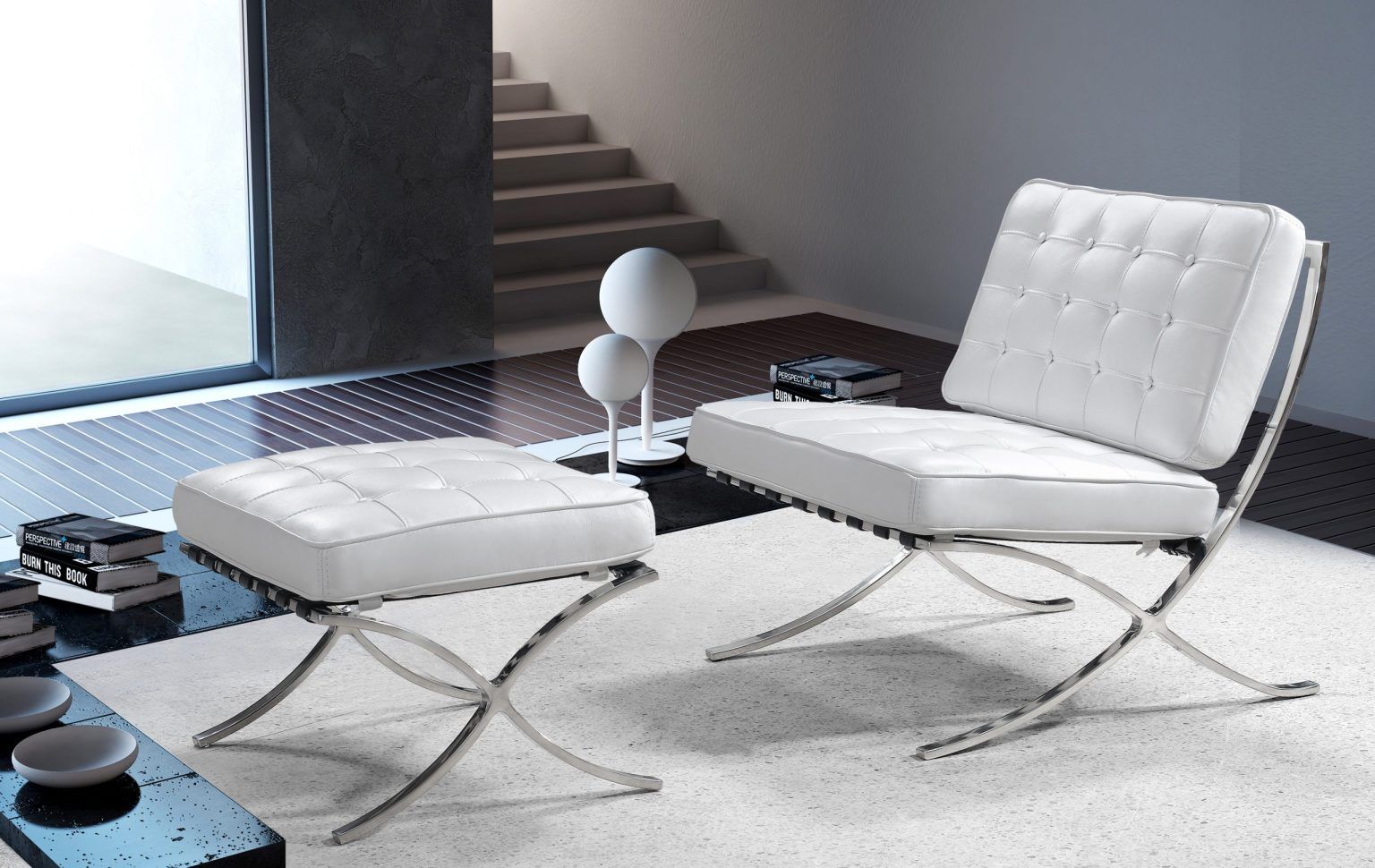
In this guide, we will walk you through everything you need to know about maintaining an eames lounge chair replica. You’ll learn simple cleaning steps, how to handle wear and tear, and how to protect the chair from damage.
Why Maintenance Matters for an Eames Lounge Chair Replica
A good replica can last a long time, but only if it is cared for properly. Without maintenance, the leather can crack, the wood can fade, and the structure can weaken.
The chair may still look good at first, but over time small problems become big ones. Regular maintenance keeps the chair comfortable and beautiful, and it protects your investment.
Understanding the Parts of an Eames Lounge Chair Replica
Before you start cleaning, it helps to know the main parts of the chair. Each part requires a slightly different care method.
1. The Leather
Most replicas use genuine leather or PU leather. Leather is strong, but it can dry out and crack if it is not cared for.
2. The Wood Veneer
The wood gives the chair its classic look. The veneer can scratch or peel if it is not treated gently.
3. The Metal Base
The base is usually chrome or aluminum. It can get dull or rust if exposed to moisture.
4. The Foam Padding
The padding gives the chair its comfort. Over time, foam can flatten if the chair is used heavily.
Daily Care Tips for an Eames Lounge Chair Replica
Daily maintenance is simple, but it makes a big difference.
Keep It Away from Direct Sunlight
Sunlight can fade the leather and dry it out. It can also cause the wood to fade and crack.
Try to place the chair where it won’t face direct sunlight.
Avoid Heat Sources
Do not place the chair near heaters or fireplaces. Heat causes leather to dry and crack faster.
Keep the Chair Clean
Dust and dirt can damage leather and wood over time.
Wipe the chair gently with a dry cloth once a week.
Weekly Cleaning Routine
Weekly cleaning takes only a few minutes, but it helps prevent long-term damage.
Step 1: Dust the Chair
Use a soft cloth or a microfiber duster to remove dust from the leather, wood, and metal.
Step 2: Clean the Leather
For genuine leather:
-
Use a damp cloth (not wet) and wipe gently.
-
Avoid using harsh soaps or chemicals.
-
Dry the leather immediately with a dry cloth.
For PU leather:
-
Use a mild soap and water solution.
-
Wipe gently and dry immediately.
Step 3: Clean the Wood
Use a soft cloth and a small amount of wood cleaner.
Avoid soaking the wood or using strong chemicals.
Step 4: Clean the Metal Base
Use a dry cloth to remove dust.
If needed, use a chrome cleaner to restore shine.
Monthly Deep Cleaning
Every month, you should do a deeper cleaning to keep the chair in excellent condition.
Leather Conditioning (Genuine Leather Only)
Conditioning helps the leather stay soft and prevents cracking.
Steps:
-
Apply a small amount of leather conditioner.
-
Rub gently using a soft cloth.
-
Let it sit for 15 minutes.
-
Wipe off any extra conditioner.
Wood Polishing
Polishing keeps the wood looking shiny and new.
Steps:
-
Use a wood polish or natural oil.
-
Apply with a soft cloth.
-
Wipe off excess polish.
Tighten Loose Screws
Check the screws and bolts on the chair.
If any are loose, tighten them gently.
How to Handle Spills and Stains
Accidents happen. The key is to act fast.
For Liquid Spills
-
Blot the spill immediately with a clean cloth.
-
Do not rub—rubbing spreads the liquid.
-
Clean the area with a damp cloth.
-
Dry immediately.
For Ink Stains
Ink can be tough. Avoid using alcohol or strong chemicals.
Best solution:
-
Use a leather cleaner designed for ink stains.
-
Apply gently and follow instructions carefully.
For Food Stains
Use mild soap and water, then dry immediately.
Preventing Common Damage
Avoid Sharp Objects
Sharp objects like keys, pens, or jewelry can scratch the leather and wood.
Be careful when using the chair near desks or tables.
Avoid Rough Cleaning Tools
Never use hard brushes or rough cloths.
They can scratch the wood and damage the leather surface.
Protect from Pets
Pets can cause scratches and tears.
If you have pets, consider using a throw blanket or cover.
Maintaining the Foam and Comfort
The foam inside the chair can flatten over time. Here’s how to keep it comfortable.
Rotate the Cushions
If the chair allows, rotate the cushions to prevent one area from flattening more than the rest.
Use the Chair Correctly
Avoid jumping or sitting on the chair in a rough way.
Sit gently and avoid putting your full weight on the armrests.
Replace the Foam if Needed
If the foam is too flat, you may need to replace it.
Replacement foam is available for many replica models.
Repairing Minor Damage
Minor damage can be fixed easily if you act fast.
Small Leather Tears
Use a leather repair kit.
Follow the instructions carefully.
Small Wood Scratches
You can use wood filler or wood touch-up markers.
Loose Base or Screws
Tighten screws carefully.
If the base is damaged, consult a professional.
Best Products to Use (and Avoid)
Recommended Products
-
Leather cleaner and conditioner (for genuine leather)
-
Mild soap and water (for PU leather)
-
Wood polish or natural oil
-
Soft microfiber cloths
-
Chrome cleaner for metal base
Products to Avoid
-
Harsh chemicals
-
Strong detergents
-
Alcohol or bleach
-
Rough brushes or sponges
How Often Should You Maintain Your Chair?
Here is a simple schedule:
Daily
-
Dust the chair
-
Avoid sunlight and heat
Weekly
-
Clean leather and wood gently
-
Clean metal base
Monthly
-
Condition leather
-
Polish wood
-
Tighten screws
Every 6 Months
-
Check foam condition
-
Check for any major damage
Tips for Long-Term Preservation
Use a Chair Cover
If you don’t use the chair often, cover it to protect it from dust and sunlight.
Avoid Overloading
Do not use the chair as a step stool or storage area.
This can weaken the structure.
Keep Humidity Balanced
Too much humidity can cause mold, and too little can dry out leather.
Maintain a balanced room environment.
When to Call a Professional
Some problems are better handled by a professional.
When the Wood Veneer Peels
If the wood starts peeling, it may need professional repair or replacement.
When the Leather Has Major Cracks
Major cracks may require reupholstering.
When the Base Is Damaged
If the metal base is bent or cracked, it’s safer to replace it.
Final Thoughts
Maintaining an eames lounge chair replica is not difficult. It only requires a little attention and care. By cleaning regularly, protecting the leather and wood, and fixing minor issues early, you can keep your chair looking and feeling like new for years.
This chair is more than furniture. It is a piece of design history, and with the right maintenance, it can remain a stunning part of your home for a long time.